
Museums
Istanbul Archaeological Museums
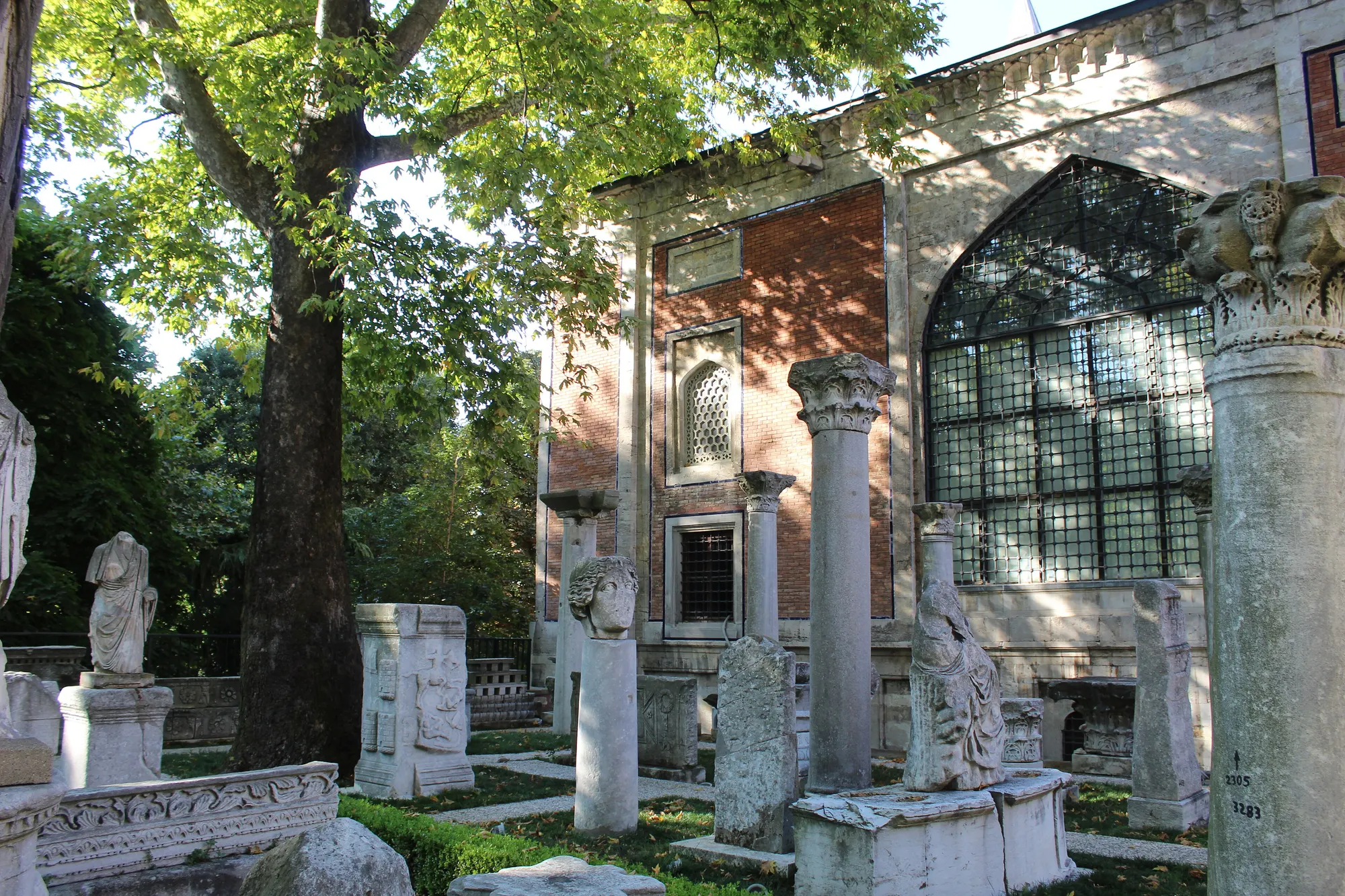
The Istanbul Archaeological Museums form a three-part museum complex near Topkapi Palace and Gülhane Park, with roots in the Ottoman imperial museum tradition. Its collections span Anatolia, the ancient Near East and classical antiquity, alongside Ottoman tile and ceramic art.
For a visit in 2026, the main things to know are straightforward: foreign daytime admission is €15, the complex is open daily and MuseumPass Istanbul is accepted for daytime admission. Restoration affects access to parts of the complex, so this guide focuses on practical planning and the available galleries.
Visitor essentials
Istanbul Archaeological Museums at a Glance
- Foreign admission
- €15
- Hours
- Daily, 09:00–18:45
- Ticket office
- Until 18:45
- MuseumPass Istanbul
- Accepted for daytime admission
- Complex
- Three museum institutions
- Current status
- Partial restoration closures
- Transport
- T1 tram, Gülhane
- Last verified
- September 2026
The official museum page currently lists the complex as open every day and confirms the daytime hours, ticket-office time and audio-guide service.
Official information: Istanbul Archaeological Museums visitor information
Choosing your visit
Is the Istanbul Archaeological Museums Worth Visiting?
Yes, especially if archaeology, ancient civilizations, sculpture or museum collections are an important part of your Istanbul trip.
The complex is particularly relevant for visitors interested in the royal sarcophagi from Sidon, ancient Near Eastern civilizations, cuneiform documents and Ottoman ceramics. Its location also makes it convenient to combine with Topkapi Palace and Gülhane Park.
If you have only one or two days in Istanbul and want to concentrate exclusively on the city’s best-known Byzantine and Ottoman landmarks, you may prefer a shorter museum visit or leave it for a longer itinerary. The collections are extensive, and current restoration work means the experience can vary depending on which galleries are accessible.
Three institutions
What Does the Istanbul Archaeological Museums Complex Include?
The plural name is intentional. Istanbul Archaeological Museums consists of three main institutions grouped within the same complex: the Archaeological Museum, the Museum of the Ancient Orient and the Tiled Kiosk Museum.
Archaeological Museum
The main Archaeological Museum developed from the Ottoman imperial museum tradition. The Müze-i Hümayun, or Imperial Museum, was established in 1869, with earlier collections housed at Hagia Irene.
Osman Hamdi Bey became museum director in 1881. His excavations at the Royal Necropolis of Sidon in 1887–1888 brought major sarcophagi to Istanbul and helped create the need for a purpose-built museum. Designed by Alexandre Vallaury, the main Archaeological Museum building opened in 1891.
Today, the institution’s collections include ancient sculpture, sarcophagi and archaeological material spanning multiple civilizations. Parts of the building are currently affected by restoration and exhibition work, so access should not be assumed to be complete.
Museum of the Ancient Orient
The Museum of the Ancient Orient occupies a building originally created in the 19th century as a school of fine arts. Its collections are associated with the pre-Islamic cultures of Mesopotamia, Anatolia, Egypt and the Arabian Peninsula, including cuneiform documents and other ancient Near Eastern material.
Current official information confirms the Museum of the Ancient Orient as one of the three institutions in the complex, but visitors should not assume that every room or collection highlight will be accessible on a particular day.
Tiled Kiosk Museum
The Tiled Kiosk, or Çinili Köşk, dates to 1472 and is the oldest building in the museum complex. It became part of Istanbul’s developing museum institution in the late 19th century.
Its collections are associated with Turkish tile and ceramic art, including Seljuk and Ottoman works. The Ministry’s Culture Portal describes a collection of around 2,000 objects dating from the 11th to the early 20th century.
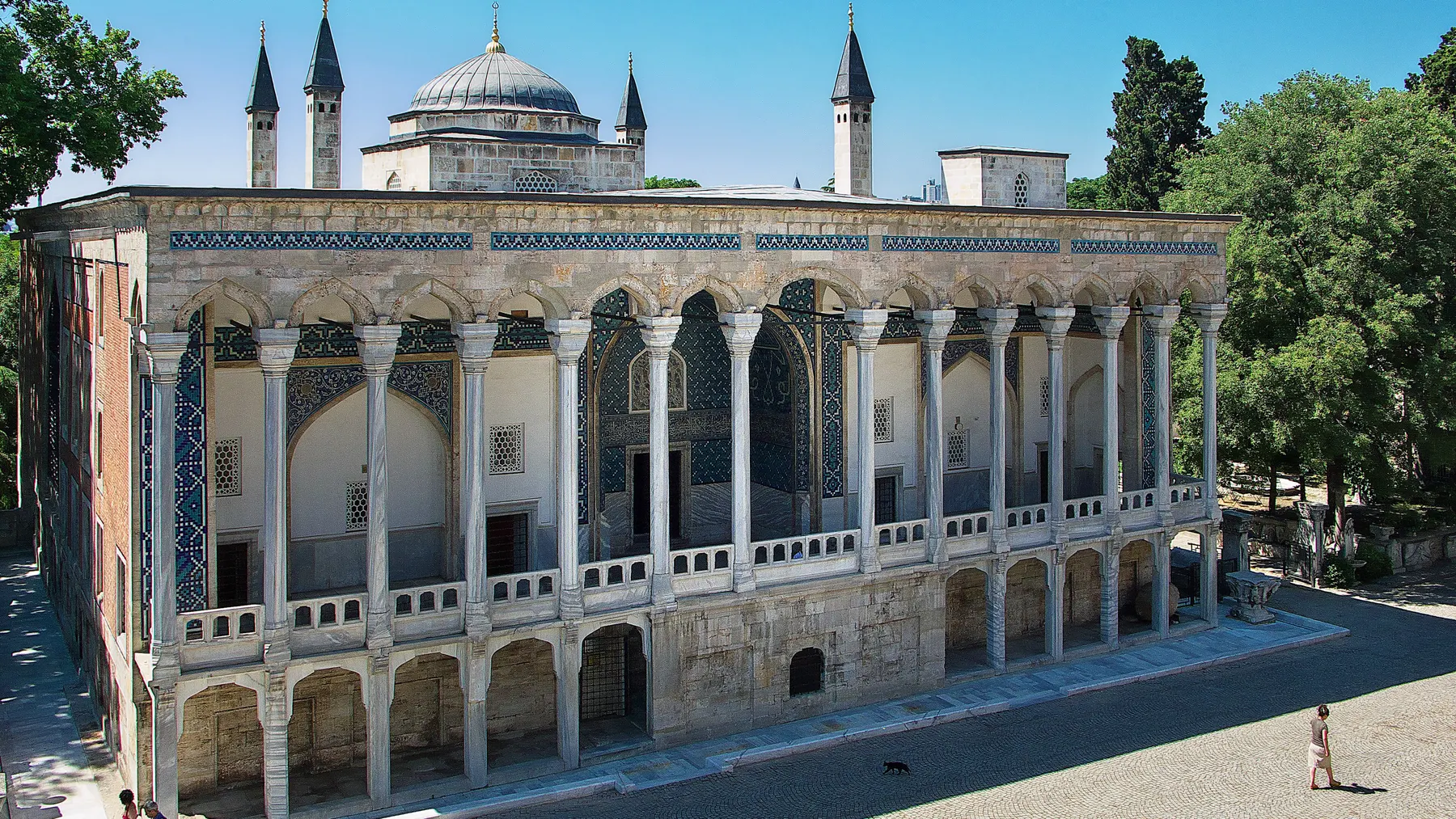
Building and gallery access can change during restoration work, so the institutional collection should not be treated as a guarantee that every object or room will be available during your visit.
Official information: Istanbul Archaeological Museums Directorate · Ministry Culture Portal — Istanbul Archaeological Museums
Collections
What to See at the Istanbul Archaeological Museums
These are important collection highlights spanning classical antiquity, the ancient Near East and Ottoman ceramics. Gallery access and displays can change during restoration.
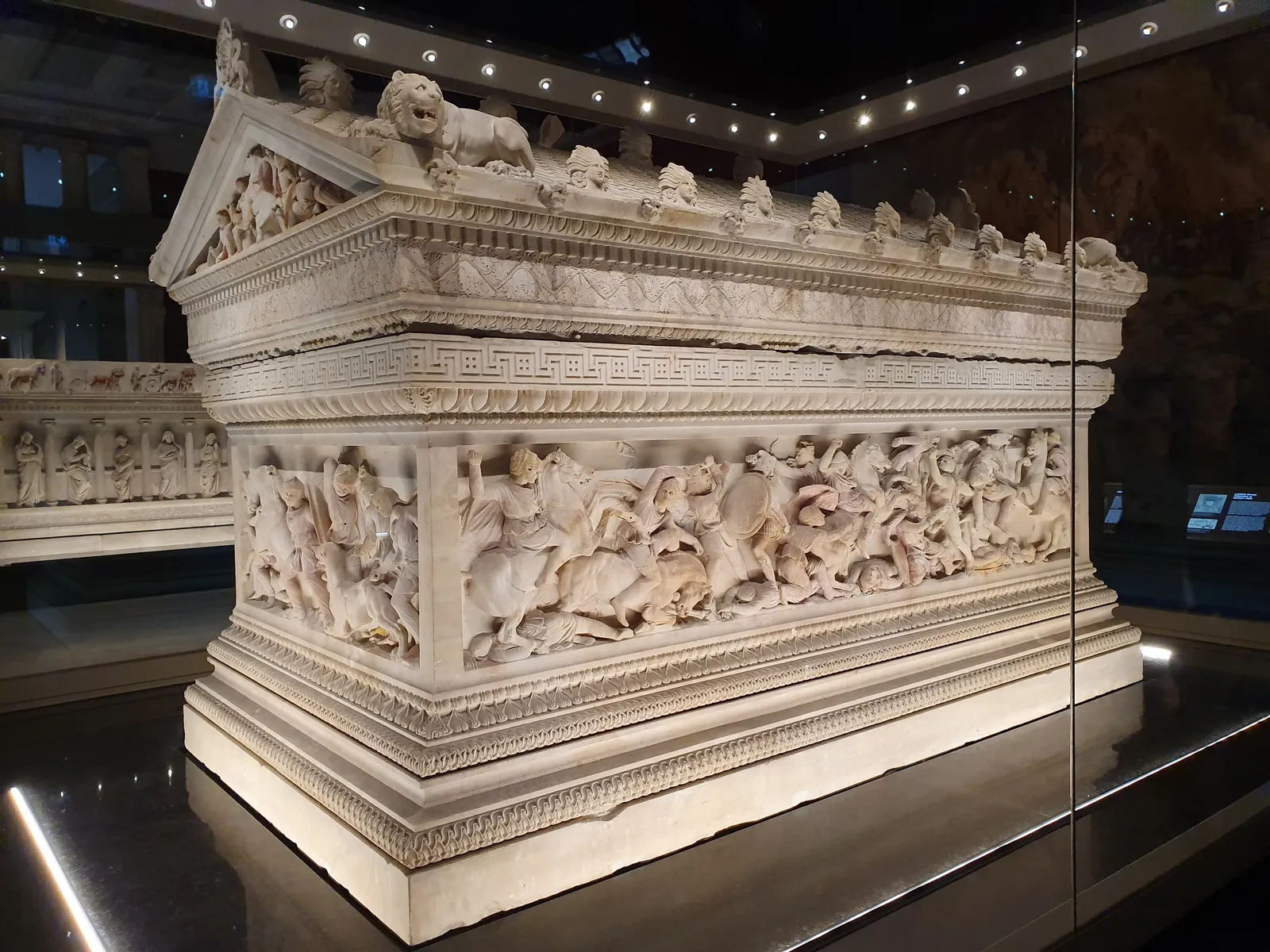
Alexander Sarcophagus
The Alexander Sarcophagus was discovered at the Royal Necropolis of Sidon and dates to the late fourth century BC. Despite its modern name, it was not the tomb of Alexander the Great.
It is known for elaborate battle and hunting reliefs associated with Alexander’s imagery, as well as surviving traces of ancient colour.
Sarcophagus of the Mourning Women
Also associated with the Sidon finds, the Sarcophagus of the Mourning Women takes the form of an Ionic architectural structure, with carved female figures positioned between its columns.
Sidamara Sarcophagus
The Sidamara Sarcophagus is another major work associated with the Archaeological Museum’s collections and represents the elaborate sculptural tradition of Roman-period sarcophagi from Anatolia.
Kadesh Treaty
The museum’s ancient Near Eastern collections include a cuneiform version of the Kadesh agreement between the Hittite and Egyptian powers. The Ministry’s Culture Portal identifies the Kadesh Treaty among the important objects associated with the Museum of the Ancient Orient.
Ancient Near Eastern Collections
Collections associated with the Museum of the Ancient Orient include cuneiform documents and material from Mesopotamia, Anatolia, Egypt and other parts of the ancient Near East. The Ministry also identifies objects connected with Babylon and the Ishtar Gate among the museum’s important holdings.
Tiled Kiosk Ceramics
The Tiled Kiosk collection covers centuries of Turkish ceramic production, including Seljuk and Ottoman material and examples associated with centres such as İznik and Çanakkale.
Display note: These are collection highlights, not a guarantee of what will be on view on a particular date. Restoration, exhibition changes and gallery closures can affect access.
Official information: Ministry Culture Portal — Istanbul Archaeological Museums
Official admission
Istanbul Archaeological Museums Tickets & Entrance Fee
The current official daytime admission for foreign visitors is €15.
The Ministry’s current tariff lists the Archaeological Museum, Museum of the Ancient Orient and Tiled Kiosk together under the same €15 entry. This is official museum admission; current restoration and gallery restrictions still apply.
Free Admission for Children
Under the Ministry’s exemption rules, foreign children aged 8 and under may qualify for free admission with the required passport or identity documentation. Special programmes can have separate conditions.
Other exemptions and eligibility rules exist, so visitors relying on a particular exemption should check the current Ministry rules before visiting.
Official information: Ministry/DÖSİM museum admission tariffs · Ministry visitor exemption directive
Official museum pass
Is MuseumPass Istanbul Valid at the Archaeological Museums?
Yes. MuseumPass Istanbul is valid for daytime admission to the Istanbul Archaeological Museums.
The current MuseumPass Istanbul costs €105, covers 13 museums and is valid for 5 days from the first museum visit. At the Istanbul Archaeological Museums, MuseumPass entry is available until 18:45.
MuseumPass Istanbul is not valid for the night-museum programme.
This is the official MuseumPass Istanbul product and should not be confused with commercial Istanbul city passes sold by third-party providers.
Compare commercial Istanbul pass options
Official information: MuseumPass Istanbul
Visit timing
Istanbul Archaeological Museums Opening Hours
The current official opening hours are:
- Open: Daily
- Daytime hours: 09:00–18:45
- Ticket office: Until 18:45
A separate official last-entry time is not currently published.
Night Museum Hours in 2026
The Istanbul Archaeological Museum is included in the Ministry’s 2026 night-museum programme.
For the published 2026 season:
- Programme dates: 1 June–1 October 2026
- Night hours: 19:00–22:00
- Night ticket office: Until 21:00
Eligible Müzekart holders with a Turkish Republic identity number can purchase night access for an additional 200 TL under the 2026 programme. Foreign visitors should check the current night-admission terms for their visit date.
MuseumPass Istanbul is not valid after 19:00 for the night-museum programme.
Because this is a seasonal arrangement, check the current official museum information if your visit falls outside the published programme dates.
Official information: Istanbul Archaeological Museums visitor information · Ministry 2026 Night Museum programme
Current access
Current Closures and Restoration
The museum complex remains open, but parts of the Archaeological Museum are officially listed as temporarily closed.
The Ministry’s current closure list identifies:
- Salon 1 on the ground floor of the Classical Building
- Annex Building
- North Wing of the Archaeological Museum
The stated reasons include strengthening, restoration and exhibition-arrangement work, with the closures continuing until the relevant works are completed.
These are partial closures rather than a closure of the entire museum complex.
Access to individual rooms in the Museum of the Ancient Orient and Tiled Kiosk Museum can also vary. If a particular building or collection is central to your visit, confirm current access with the museum before going.
Official information: Ministry temporary museum closures
Planning your time
How Long Should You Spend?
A realistic visit can range from around 90 minutes to several hours, depending on your interests and which galleries are accessible.
Around 90 Minutes
Suitable for a selective visit focused on the principal open collections and a small number of major highlights.
Around 2–3 Hours
A better choice for most museum-focused visitors. It gives you time to move between available sections without trying to examine every display.
4 Hours or More
Reasonable for visitors with a strong interest in archaeology who want to spend more time with sculpture, sarcophagi, ancient Near Eastern material and historical interpretation.
These are planning estimates rather than official museum visit times. Restoration and gallery availability can change how much of the complex you can cover.
Getting there
Location & How to Get There
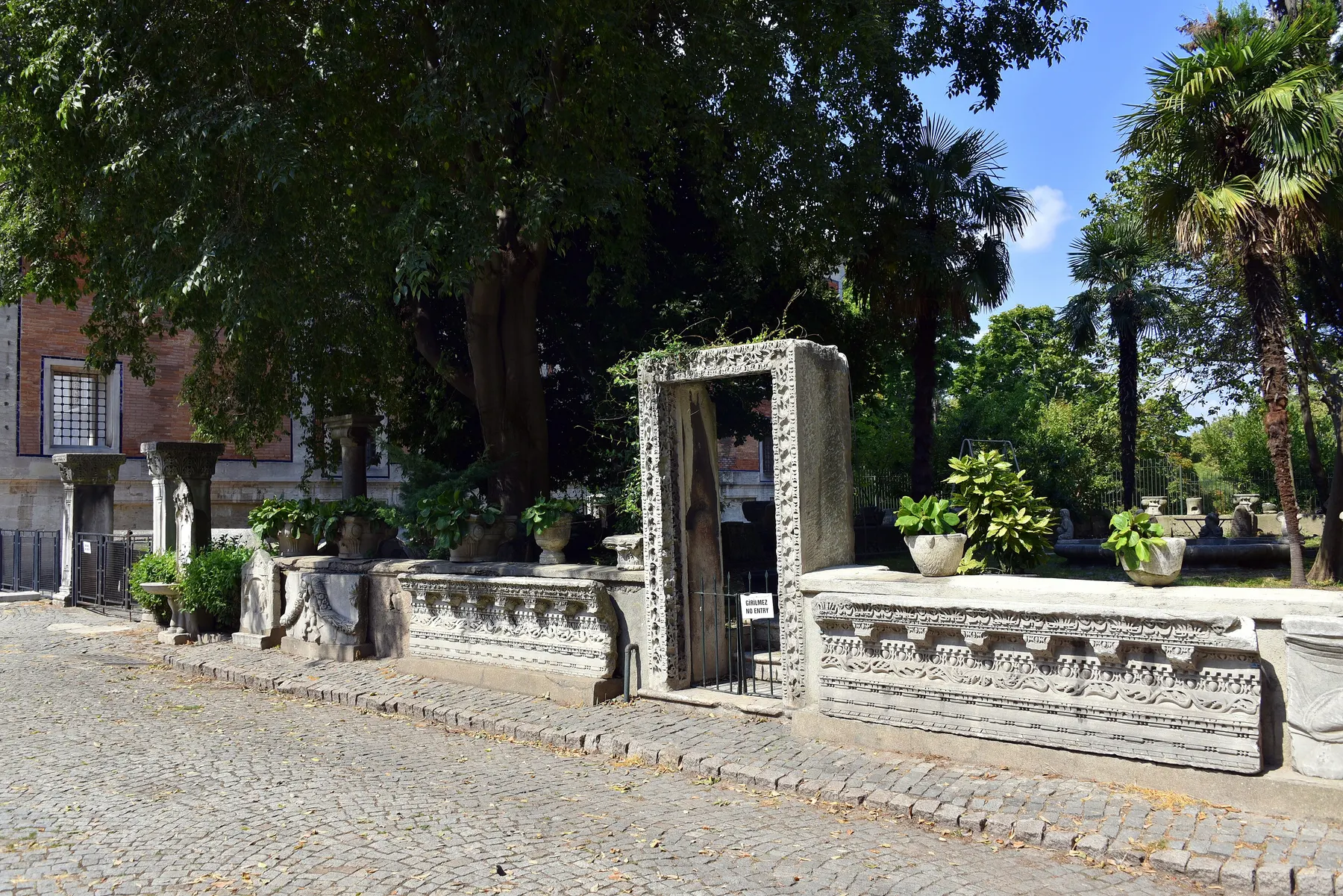
The Istanbul Archaeological Museums are in Gülhane on the Historic Peninsula, close to Topkapi Palace and Gülhane Park.
The official address is:
Alemdar Caddesi, Osman Hamdi Bey Yokuşu, Gülhane, Istanbul
For public transport, the Ministry’s Culture Portal identifies the Gülhane stop on the Kabataş–Bağcılar T1 tram line as the relevant tram access point.
If you are already visiting Topkapi Palace or exploring the Sultanahmet area, the museums fit naturally into the same Historic Peninsula itinerary without requiring a separate cross-city journey.
Official information: Ministry Culture Portal — Istanbul Archaeological Museums
Practical planning
Accessibility & Practical Visitor Information
Accessibility
The complex consists of several historic buildings, and detailed current official accessibility information for every floor, gallery and courtyard is limited.
Visitors who need step-free access or have specific mobility requirements should confirm current routes with the museum before visiting rather than assuming that every building and gallery offers the same level of access.
Audio Guide
The official museum page confirms that an audio-guide service is available. Current languages, pricing and distribution details are not clearly published there, so check the available options when you arrive.
Photography
Follow the current signs and staff instructions in each gallery, particularly around temporary exhibitions or sensitive displays.
Entry Procedures
Allow some flexibility around arrival and entry. Specific security waiting times, bag rules and storage arrangements should not be assumed unless confirmed by the museum.
Footwear
The visit involves moving between several historic buildings and courtyard areas, so comfortable footwear is a practical choice.
Official information: Istanbul Archaeological Museums visitor information
Family visits
Visiting the Istanbul Archaeological Museums with Children
The museums can work well for families whose children are interested in ancient history, archaeology or monumental objects, but the size and depth of the collections can make a long visit tiring for younger visitors.
Foreign children aged 8 and under may qualify for free admission under the Ministry’s exemption rules with the required passport or identity documentation. Special programmes can have separate conditions.
For families, a shorter route focused on a few visually distinctive collection highlights is often more manageable than trying to cover every available gallery.
Check current museum information if your family needs particular facilities.
Official information: Ministry visitor exemption directive
Optional third-party experience
Guided Tour Option
A guided tour is an optional alternative for visitors who want more historical interpretation while exploring the collections.
The guided experience linked on this page is provided by a third-party tour operator, not by the museum itself. It should therefore be considered separately from the official €15 museum admission and MuseumPass Istanbul.
Before booking, check the current product page for:
- whether museum admission is included
- tour language
- duration
- meeting point
- cancellation terms
- current availability
Tour inclusions can change. A guided-tour product should also not be treated as a general guarantee that museum security or every possible queue can be bypassed.
Historic Peninsula
How to Combine the Museums with Nearby Attractions
The location makes the museums particularly easy to include in a Historic Peninsula itinerary.
Archaeological Museums + Topkapi Palace
These two sites work naturally in the same area, but both contain substantial collections. If you want to explore each in depth, avoid overloading the rest of the day.
Archaeological Museums + Gülhane Park
Gülhane Park provides a simple break before or after a museum visit and requires little additional travel planning.
Archaeological Museums + Basilica Cistern or Hagia Sophia
Visitors continuing through Sultanahmet can combine the museums with another major Historic Peninsula attraction, depending on available time and energy.
For a broader museum comparison, see:
FAQ
Istanbul Archaeological Museums FAQ
What are the Istanbul Archaeological Museums?
The Istanbul Archaeological Museums are a museum complex near Topkapi Palace and Gülhane Park comprising the Archaeological Museum, the Museum of the Ancient Orient and the Tiled Kiosk Museum. The collections cover archaeology, ancient Near Eastern civilizations, sculpture, sarcophagi, written documents, tiles and ceramics. Current building and gallery access can vary during restoration work.
Is the Istanbul Archaeological Museums worth visiting?
The complex is particularly worthwhile for visitors interested in archaeology, ancient civilizations, sculpture and Ottoman museum history. It also fits naturally into a Historic Peninsula visit because it is close to Topkapi Palace and Gülhane Park. Travelers with very limited time may need to prioritize it against Istanbul’s other major historic attractions.
How much is admission to the Istanbul Archaeological Museums?
The current official daytime admission for foreign visitors is €15. The Ministry tariff groups the Archaeological Museum, Museum of the Ancient Orient and Tiled Kiosk Museum under the same tariff entry. Current restoration or gallery restrictions may still affect what is accessible during a visit.
What are the Istanbul Archaeological Museums opening hours?
The complex is currently open daily from 09:00 to 18:45, and the official ticket office is listed until 18:45. A separate official last-entry time is not currently published.
Is the Istanbul Archaeological Museums open every day?
The complex is currently listed as open daily. However, restoration work can affect individual buildings, wings or galleries, so current access should be checked before a visit if a particular collection or building is important to you.
Is MuseumPass Istanbul valid at the Istanbul Archaeological Museums?
Yes. MuseumPass Istanbul is accepted for daytime admission. The current pass costs €105, is valid for five days from the first museum visit and covers 13 Ministry museums. Admission with the pass at this complex is available until 18:45. MuseumPass Istanbul is not valid for the night-museum programme.
Are all three museums in the complex currently open?
The institution comprises the Archaeological Museum, Museum of the Ancient Orient and Tiled Kiosk Museum, but current access can change during restoration work. The Ministry currently lists closures affecting Salon 1, the Annex Building and the North Wing of the Archaeological Museum. Full date-specific access to every building and gallery should not be assumed.
What are the most famous objects in the Istanbul Archaeological Museums?
Important collection highlights include the Alexander Sarcophagus, Sarcophagus of the Mourning Women, Sidamara Sarcophagus, the Kadesh Treaty tablet and major ancient Near Eastern and ceramic collections. Gallery displays can change, so the importance of an object to the collection does not guarantee that it will be accessible during every visit.
How long should I spend at the Istanbul Archaeological Museums?
Around 90 minutes can work for a selective highlights visit, while 2–3 hours is a more comfortable planning range for exploring available galleries and buildings. Visitors with a strong interest in archaeology may spend four hours or more. Actual visit time depends on current access and personal interest.
Are children admitted free?
Under the verified Ministry exemption rules, foreign children aged 8 and under may qualify for free admission when the required passport or identity documentation is presented. Special programmes such as night-museum visits can have separate conditions, so current terms should be checked when relevant.
Is the Istanbul Archaeological Museums accessible?
The complex occupies several historic buildings, and detailed current official accessibility information for every building, floor and gallery is limited. Visitors with specific mobility requirements should confirm the current accessible route and building access with museum staff before visiting.
Can I take photographs inside the Istanbul Archaeological Museums?
A detailed current photography policy covering every building and exhibition has not been verified. Visitors should follow the signs and staff instructions in each gallery, particularly around temporary exhibitions or sensitive displays.
Is there an audio guide at the Istanbul Archaeological Museums?
Yes. The official museum information lists an audio-guide service. Current languages, price and availability conditions should be checked at the museum because these details were not sufficiently verified for this update.
Can I book a guided tour of the Istanbul Archaeological Museums?
Yes, third-party guided experiences are available for visitors who want additional historical interpretation. These are separate from the museum’s official admission. Check the current booking page for admission inclusion, language, duration, meeting point, cancellation terms and availability before booking.
Source transparency
Official Sources & Last Verification
Visitor information on this page was last checked in September 2026. Opening arrangements, restoration access and special programmes can change, so recheck official information close to your visit.
- Istanbul Archaeological Museums visitor information
- Ministry/DÖSİM museum admission tariffs
- MuseumPass Istanbul
- Ministry 2026 Night Museum programme
- Ministry temporary museum closures
- Istanbul Archaeological Museums Directorate
- Ministry Culture Portal — Istanbul Archaeological Museums
- Ministry visitor exemption directive